
Within a tightly regulated financial environment, HarAik was engaged by a Saudi-based financial services institution to enhance its governance, risk management, and internal control framework.
As the organization matured and regulatory expectations intensified, leadership recognized the need to move beyond fragmented processes toward a fully integrated, transparent, and risk-driven governance structure.
Operating under a regulated framework, the institution was required to align with expectations set by authorities such as:
This necessitated a structured transformation focused on risk visibility, control effectiveness, and board-level oversight.
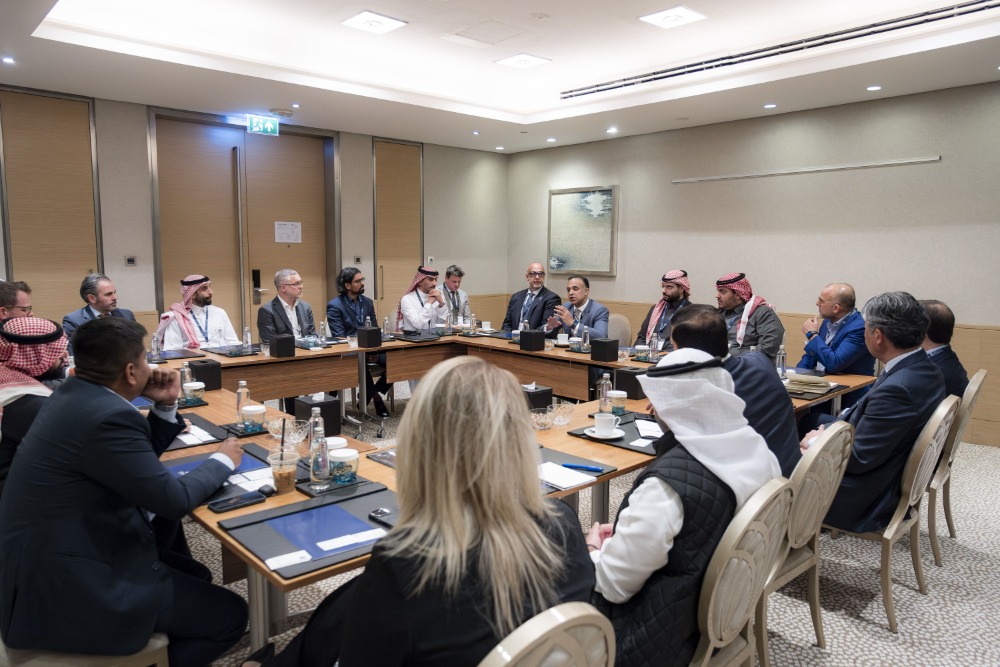
In regulated financial institutions, governance and risk management are central to operational stability, regulatory compliance, and stakeholder confidence.
As supervisory scrutiny increases, organizations are expected to demonstrate:
In this case, the institution required a transition from reactive compliance practices to proactive, structured governance systems.
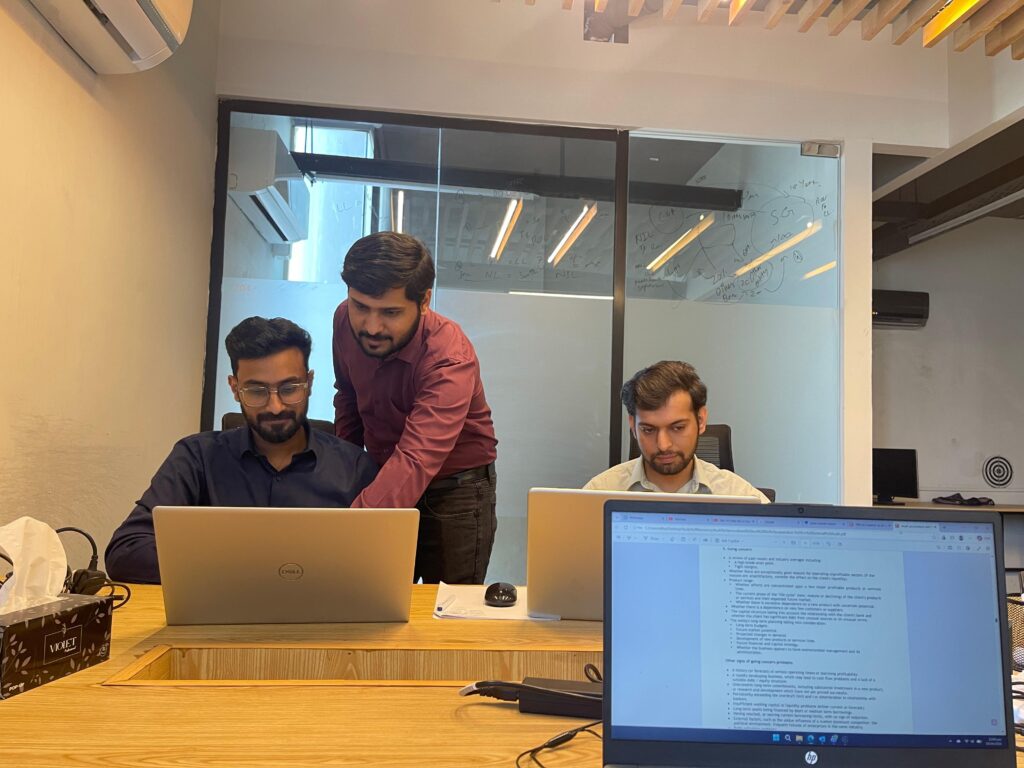
Across the organization, governance structures had evolved in a decentralized manner.
This resulted in:
Such fragmentation limited the effectiveness of governance and created confusion around roles, responsibilities, and expectations.
From a risk management perspective, the absence of structured documentation posed a significant challenge.
Key issues included:
This reduced the organization’s ability to identify, assess, and mitigate risks proactively.
Given the regulated nature of the institution, gaps in governance and control frameworks increased exposure to:
Addressing these gaps was critical to ensuring regulatory alignment and institutional credibility.
At the leadership level, reporting mechanisms did not provide sufficient insight into enterprise risks.
Challenges included:
This constrained the board’s ability to exercise effective oversight and make informed decisions.
Given the regulated nature of the institution, gaps in governance and control frameworks increased exposure to:
Addressing these gaps was critical to ensuring regulatory alignment and institutional credibility.
To address these challenges, HarAik implemented a comprehensive governance and risk transformation program, aligned with regulatory expectations and best practices.
The engagement began with a detailed assessment of existing governance structures and risk management practices.
This included:
This provided a clear baseline for transformation and prioritization.
A structured enterprise-wide risk mapping exercise was conducted to identify and categorize risks.
This involved:
This created a comprehensive view of the organization’s risk landscape.
Given the regulated nature of the institution, gaps in governance and control frameworks increased exposure to:
Addressing these gaps was critical to ensuring regulatory alignment and institutional credibility.
At the leadership level, reporting mechanisms did not provide sufficient insight into enterprise risks.
Challenges included:
This constrained the board’s ability to exercise effective oversight and make informed decisions.
To improve consistency, policies and procedures were redesigned and standardized.
This involved:
This enhanced clarity, consistency, and enforceability of governance practices.
To ensure continuous monitoring, a structured internal audit and reporting system was established.
Key initiatives included:
This provided leadership with clear, actionable insights into risk and control effectiveness.
Finally, all frameworks and documentation were aligned with regulatory expectations.
This included:
The organization achieved improved alignment with regulatory requirements, significantly reducing the risk of supervisory observations.
Structured reporting and dashboards provided leadership with clear, consolidated insights into enterprise risks.
Improved controls, standardized processes, and enhanced risk management practices significantly reduced exposure to operational disruptions and compliance issues. Clear control ownership, stronger monitoring mechanisms, and better documentation enabled early identification and mitigation of risks.
This proactive approach not only minimized the likelihood of regulatory observations and operational failures but also strengthened overall resilience, ensuring smoother operations and greater confidence from regulators and stakeholders.
A structured internal control framework was introduced to strengthen execution.
This included:
This ensured a strong linkage between risk identification and control implementation.
Standardized policies and procedures improved consistency, efficiency, and execution quality.
The organization now operates with a scalable, structured, and future-ready governance and risk framework, capable of adapting to evolving regulatory expectations.
This engagement demonstrates HarAik’s ability to transform governance and risk environments within regulated financial institutions, delivering integrated, transparent, and control-driven frameworks.
By aligning risk management, internal controls, and reporting structures, organizations can achieve stronger compliance, improved oversight, and long-term operational resilience.